Additive manufacturing
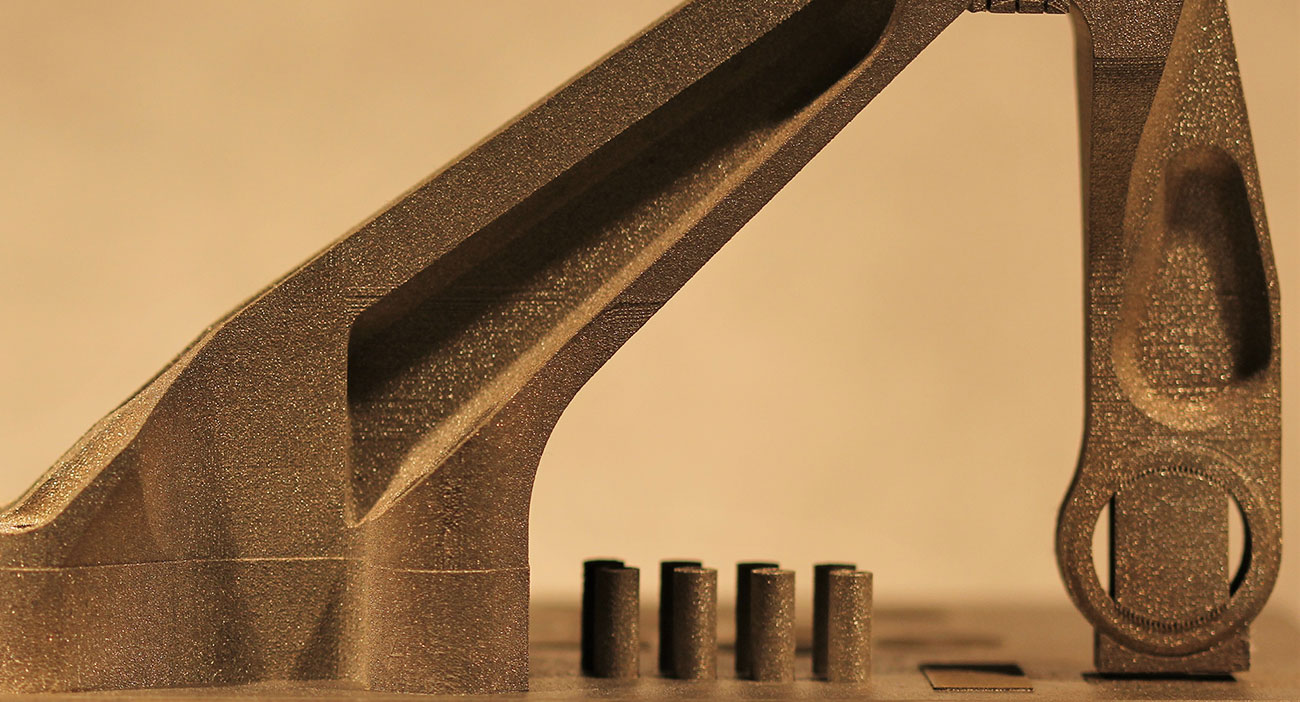
AM is one implementation of the ICAAM approach. Connect feedstock and build information with post-processing, characterization, and test results.
Example recordsFeedstock · Build parameters · Orientation · Post-processing

ICAAM · A materials engineering framework
Connect materials, processes,
and performance.
ICAAM brings materials data, processing history, and analysis together to support advanced manufacturing decisions.
The ICAAM framework
Keep the context behind your data. Explore the relationships between how a component is made, its material structure, and how it behaves.
Connect a component’s digital representation with the records that explain how it was made and tested.
ExploreBring material records, characterization, and test results together to support engineering assessment.
ExploreUse materials data and analysis to understand the relationship between processing, microstructure, and performance.
ExploreAccess tools for materials data, visualization, microstructure analysis, and mechanical-test results.
Explore01 Digital Twin & Digital Thread
A digital twin represents a physical component. Its digital thread connects the material, processing, inspection, and test records that give that representation context.
ICAAM organizes projects, samples, files, and analysis results in a configurable hierarchy. Engineers can examine related data together, from material information to microstructure and mechanical behavior.
The digital thread
02 Qualification Support
Qualification depends on both a component’s requirements and the evidence available to assess them. A test result is more useful when its material and processing history are known.
ICAAM provides a place to organize that evidence and analyze material behavior. Engineers can use the results to support qualification work against their application’s requirements.
Evidence in context
What it is. How it was made.
What was observed and measured.
What the results tell the engineer.
03 Design & Analysis
Material choice and processing history influence the structure and behavior of a component. Comparing these records helps engineers understand differences between samples and manufacturing routes.
ICAAM’s data and analysis tools support this investigation. Engineers can examine microstructure, texture, and mechanical-test data to inform material selection and process development.
Structure–property relationships
Composition & starting state
Conditions & manufacturing route
Phases, morphology & texture
Measured mechanical behavior
04 Modules
ICAAM combines data management with tools for quantitative materials analysis. Its capabilities include image segmentation, microstructure statistics, crystallographic texture analysis, and mechanical-test data handling.
These tools help engineers interpret observations and compare results in the context of their projects. Contact MRL to discuss the modules and configuration appropriate for your work.
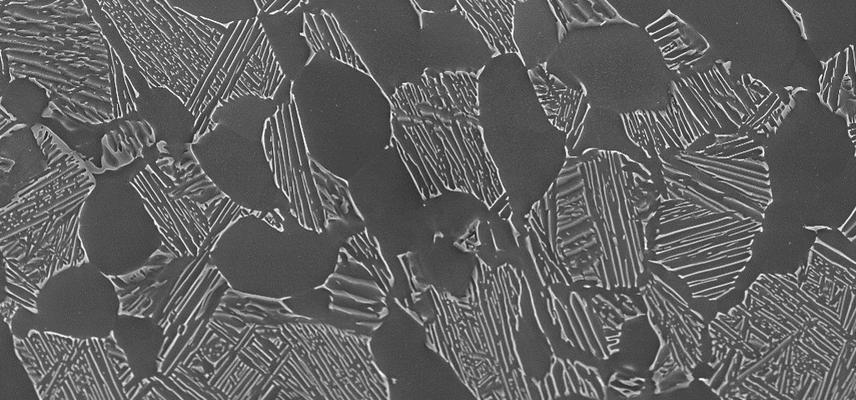
Segmentation · Texture · Spatial statistics
Manufacturing applications
Additive manufacturing is one implementation of ICAAM. The same approach to materials data and analysis applies across manufacturing routes.
AM is one implementation of the ICAAM approach. Connect feedstock and build information with post-processing, characterization, and test results.
Example recordsFeedstock · Build parameters · Orientation · Post-processing
Apply the same approach to the material and requirements behind a machined component, from the starting stock to its final dimensions and finish.
Example recordsDrawings · Stock allowance · Tolerances · Surface finish
Consider the relationship between source material, melting and casting conditions, and the resulting material structure and properties.
Example recordsHeat identification · Mold information · Temperatures · Inspection
Follow the changes from starting material through heating and deformation to the final component and its inspection records.
Example recordsHeating · Reduction · Pass sequence · Final dimensions
These examples describe how the framework can apply to different processes. Discuss your manufacturing route with MRL to determine the appropriate tools and workflow.
Start with your engineering question
Tell us about your material, manufacturing process, and the decisions your data needs to support.